




Advertisement
Advertisement
Have you ever found yourself suddenly facing a cluster of white bumps on your face, upper arms, torso, or even in the genital region?
These blemishes, commonly known as ‘milk spots’, differ from regular whiteheads or blackheads; they can’t be popped and attempting to do so could lead to significant skin issues.
Instead, it's recommended to consult a trained medical professional who can safely remove them through a sterile extraction process or another clinical method.
These prevalent cysts affect up to 50 percent of newborns, and adults can also encounter them at some stage in their lives.
Advert
Below, we’ve compiled all the essential information you need to know about these raised white bumps, including their composition, whether they are contagious, and how to prevent them from forming in your pubic area.
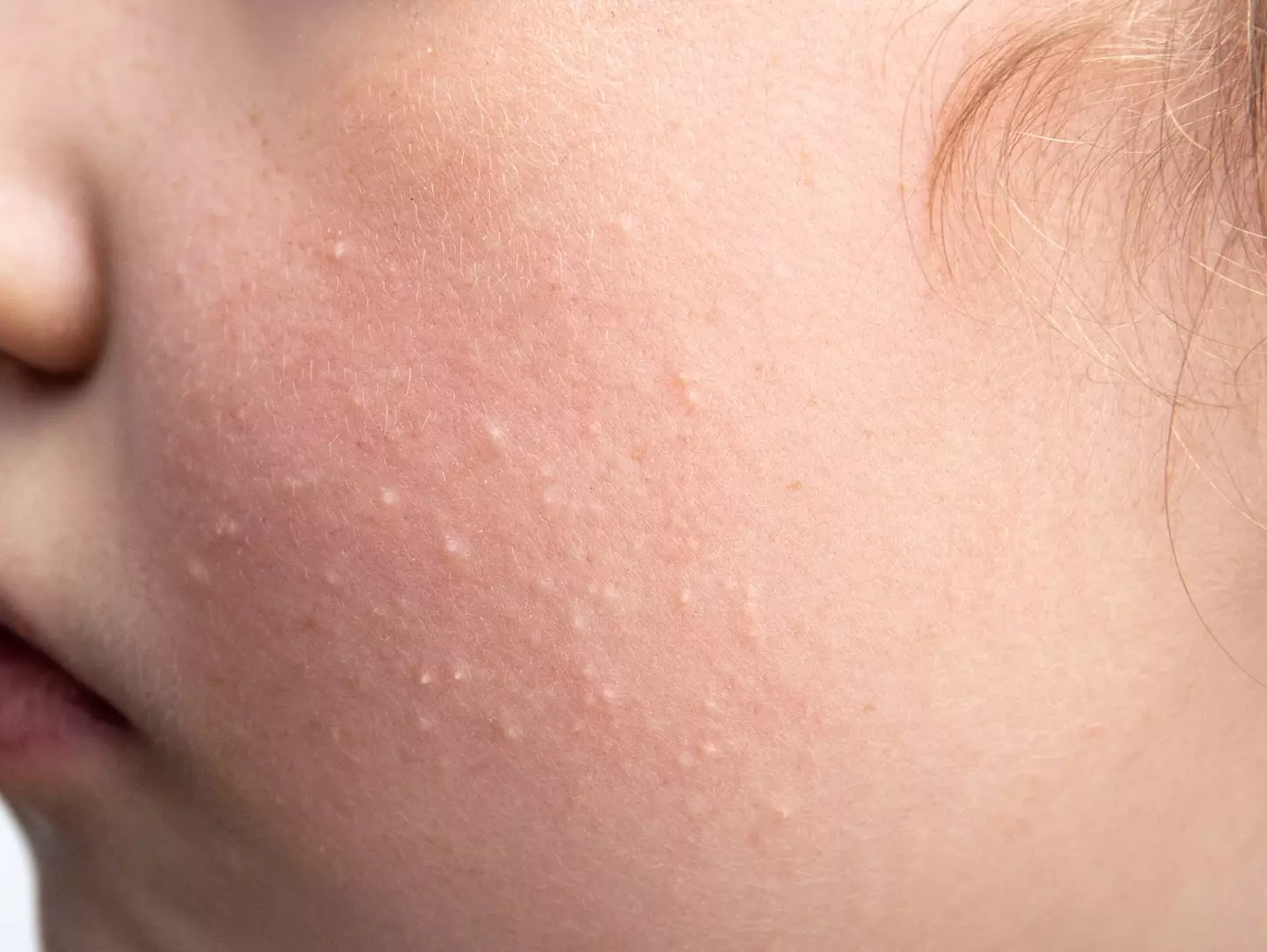
What is milia?
The small, hard, white or yellowish bumps on your skin are not acne. They’re known as milia and result from a buildup of protein beneath the skin, according to sk:n Clinics.
Advert
Although typically benign and harmless, these 1-2mm cysts can often be mistaken for other conditions, so consulting a doctor is advisable.
Your groin and genital area are among the most common places for these keratin cysts to appear, making it important to
Different types of milia
There are various types of this common skin condition, including neonatal milia that only affects infants and babies, and primary milia, which are small cysts commonly found on the eyelids, forehead, cheeks, and/or genitals.
Advert
Secondary milia, also known as traumatic milia, can form due to skin damage from the sun, blisters, or rashes. Cleveland Clinic reported that they might also develop as a reaction to a heavy skin cream or ointment.
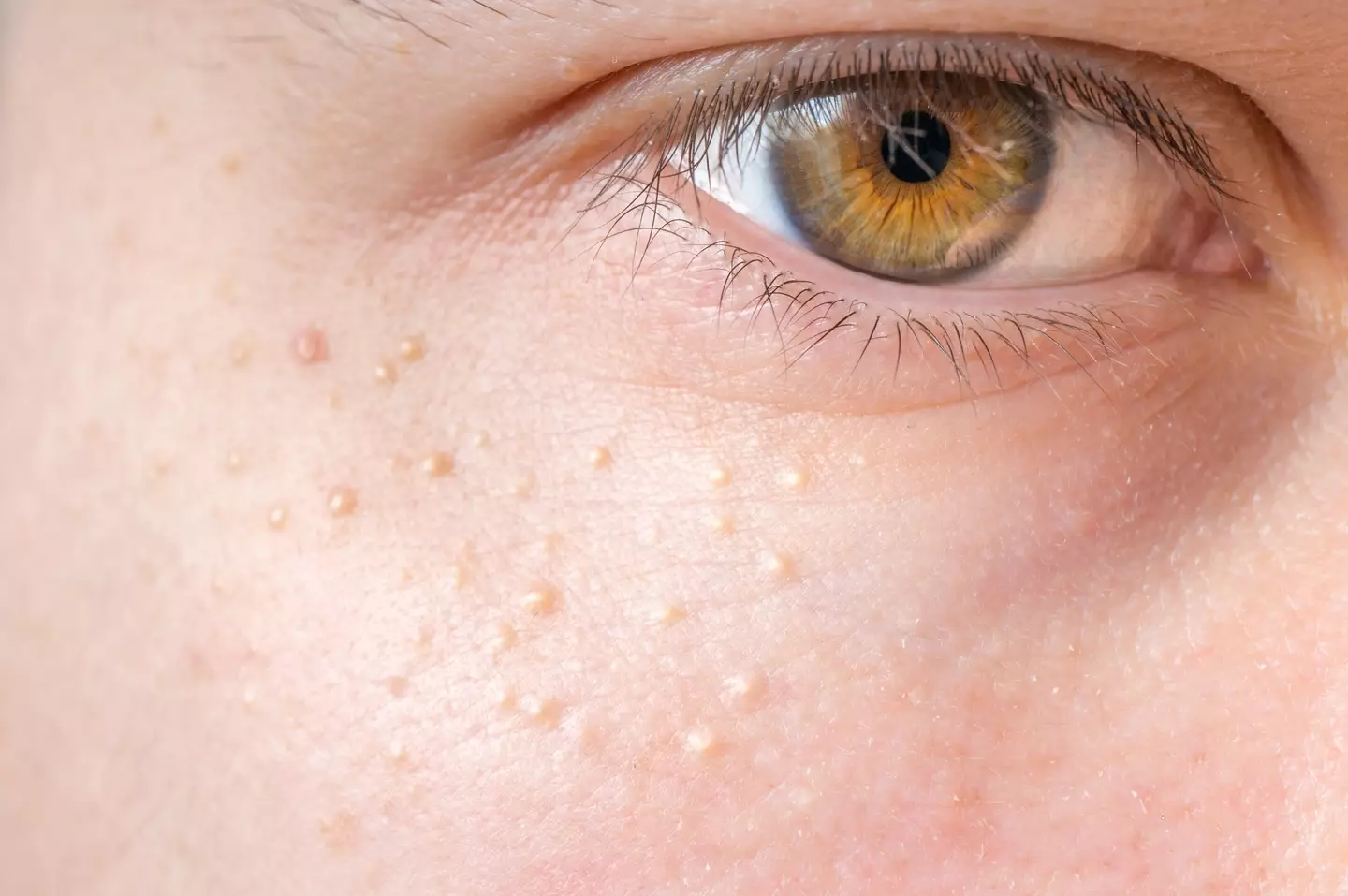
Three additional forms of milia exist: juvenile milia, a symptom of an inherited condition; milia en plaque, where cysts group together on a raised skin patch; and multiple eruptive milia, a rare condition where groups emerge on the skin over weeks to months.
Are milia harmless?
The reassuring news is that this common cyst is neither contagious nor harmful. It also does not indicate anything about your health, as anyone can develop them.
Advert
However, some individuals have expressed feeling self-conscious due to the hard spots, particularly if they appear in visible areas.
How to get rid of milia?
If you tend to develop milia, investing in quality exfoliating skincare products like cleansers, retinol, and Vitamin A serums could be beneficial. These products assist in removing dead skin cells and promote new cell growth.
If you’re particularly concerned about your milia, it might be worth consulting a licensed medical physician to explore possible treatments.
Advert
Some professionals may suggest needle or hyfrecator extractions, or recommend topical over-the-counter medications instead.
If cysts appear in your genital area, ensure you wash twice daily and use barrier creams to protect the skin.
It’s also advisable to wear loose cotton or silk underwear, allowing the skin to breathe and helping to prevent secondary milia from forming.

Advertisement
Advertisement
Advertisement


